As teams scale content and paid advertising across platforms, analytics become even more critical. Tracking performance helps marketers allocate resources effectively, refine messaging, and build repeatable strategies based on real data rather than assumptions.
In this guide, we explore the fundamentals of social media analytics, which metrics matter most, how to interpret results, and how structured workflows in Campaign Builder support data-driven optimization.
What Social Media Analytics Really Measure
Social media analytics refer to the collection and analysis of data related to content and ad performance. This data helps marketers understand how users interact with posts and ads across different platforms.
At a high level, analytics answer three core questions: Who is engaging with your content? How are they interacting with it? What outcomes does this interaction drive?
Rather than focusing on vanity metrics alone, effective analytics provide actionable insights that can be used to improve content quality, creative strategy, and operational efficiency.
Key Metrics That Matter
Not all metrics are equally valuable. While likes and follows can indicate reach, they do not always reflect business impact. Instead, teams should focus on metrics that align with their goals.
Commonly used metrics include:
- Reach and impressions to understand visibility
- Engagement metrics such as clicks, reactions, and shares
- Click-through rate to measure message relevance
- Conversions to assess business outcomes
- Frequency to monitor audience fatigue
Selecting the right metrics ensures that analysis remains focused and meaningful.
Analyzing Organic and Paid Performance Together
Organic content and paid ads often work together to support broader marketing objectives. Analyzing them in isolation can limit insight.
Organic posts can reveal which messaging or visuals resonate naturally with your audience. These insights can then inform paid ad creatives, reducing testing time and improving performance.
Paid performance, on the other hand, provides faster feedback due to higher reach and volume. Combining insights from both channels creates a more complete understanding of audience behavior.
Identifying Patterns and Trends
One-off performance spikes can be misleading. Instead of focusing on individual posts or ads, teams should analyze trends over time.
Look for recurring patterns such as:
- Creative formats that consistently perform well
- Messaging themes that drive higher engagement
- Posting times associated with stronger results
- Audience segments that convert more frequently
Identifying these patterns enables marketers to build repeatable strategies and reduce reliance on guesswork.
Turning Insights into Action
Analytics only create value when insights are translated into action. This may involve adjusting creative elements, refining messaging, or reallocating focus toward high-performing content types.
For example, if video content consistently outperforms static images, teams can prioritize video production. If certain product categories generate higher engagement, future campaigns can emphasize those products.
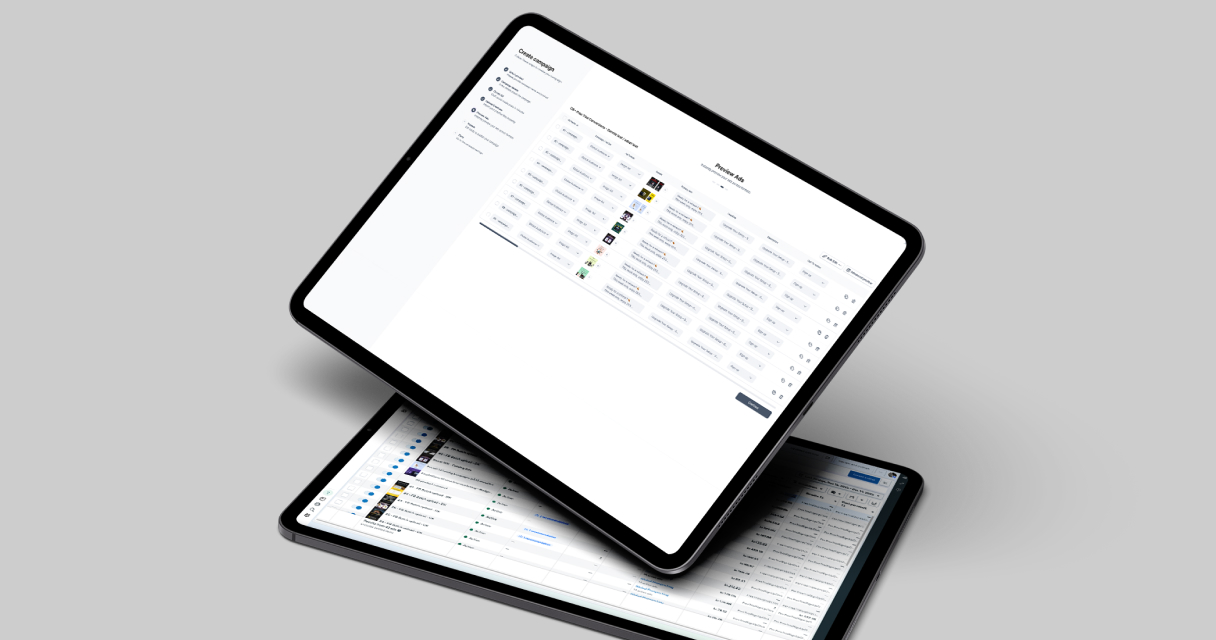
Campaign Builder supports this iterative process by making it easy to apply changes in bulk, ensuring insights can be acted upon quickly and consistently.
Structuring Analytics for Scalable Teams
As teams grow, analytics must be accessible and understandable to multiple stakeholders. Clear reporting structures help align teams and maintain focus on shared goals.
Standardizing metrics, reporting intervals, and performance benchmarks ensures that everyone interprets results in the same way. This consistency reduces confusion and supports faster decision-making.
When combined with structured creative workflows, analytics become a powerful tool for guiding long-term growth rather than just evaluating past performance.
Common Analytics Mistakes to Avoid
Even with access to data, teams can misinterpret or misuse analytics. Common mistakes include:
- Overemphasizing vanity metrics
- Making decisions based on short-term fluctuations
- Ignoring context such as seasonality or campaign objectives
- Failing to connect analytics to creative or workflow changes
Avoiding these mistakes ensures that analytics remain a strategic asset rather than a source of confusion.
Conclusion
Social media analytics are essential for understanding performance, improving results, and scaling effectively. By focusing on meaningful metrics, identifying patterns, and translating insights into action, teams can build data-driven strategies that support long-term success.
Campaign Builder complements this approach by enabling teams to act on insights efficiently, ensuring that analytics drive continuous improvement across both organic content and paid ads.


.jpg)