
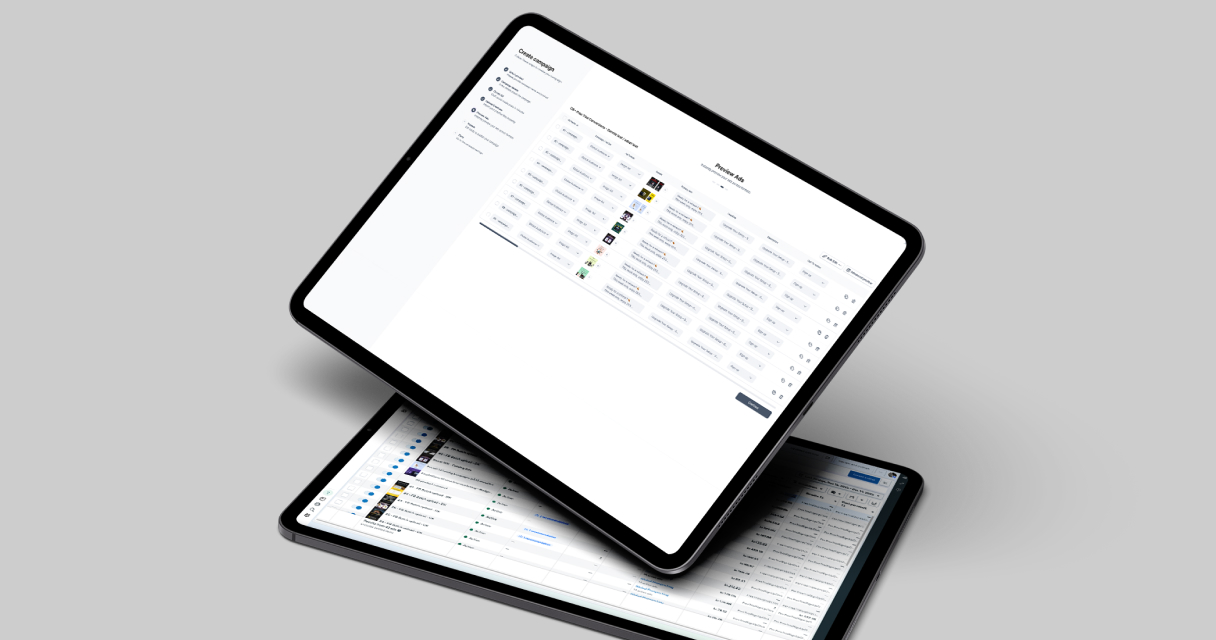
Campaign Builder enables teams to manage SMS campaigns efficiently, providing tools for content creation, scheduling, audience segmentation, and performance tracking. However, launching a successful SMS campaign requires planning, compliance awareness, and strategic execution.
In this guide, we will cover the fundamentals of SMS campaigns, including planning, content best practices, segmentation, compliance, and measuring success.
Why SMS Marketing Works
SMS has a unique advantage over other marketing channels because of its high engagement rates. Most users read text messages within minutes, and response rates are significantly higher than email.
Customers are increasingly mobile-first, and SMS campaigns meet them where they already spend time. Well-targeted and relevant messages can drive immediate actions, from online purchases to event registrations.
For marketers, SMS campaigns complement other channels like email, social media, and paid advertising, providing a more holistic multi-channel approach.
Planning Your SMS Campaign
Successful SMS campaigns start with careful planning. Begin by defining your campaign objective. Are you promoting a sale, sending a reminder, or delivering a personalized update? Clear objectives guide message content, audience selection, and scheduling.
Next, consider your audience. Segmenting recipients based on behavior, preferences, or demographics ensures that messages are relevant. Campaign Builder allows teams to manage lists efficiently and apply segmentation to deliver tailored content.
Timing is also crucial. Messages should be sent when customers are most likely to engage, avoiding late-night or inappropriate hours. A thoughtful schedule maximizes reach while minimizing complaints or opt-outs.
Crafting Effective SMS Content
SMS content must be concise, clear, and compelling. With character limits, every word counts. Focus on delivering the core message quickly while including a clear call-to-action.
Personalization is a key differentiator. Including the recipient’s name, referencing past purchases, or tailoring offers based on behavior can significantly increase engagement rates.
Avoid overly promotional language or spammy content. Transparency about the purpose of the message builds trust and encourages recipients to stay subscribed.
Segmentation and Targeting
Not all subscribers are the same, and treating them as such reduces effectiveness. Segmentation allows marketers to deliver messages that align with user behavior, preferences, or lifecycle stage.
Common segmentation strategies include:
- Purchase history – targeting users with products they have shown interest in
- Geolocation – sending messages relevant to local events or promotions
- Engagement level – adjusting frequency or content for active vs. inactive subscribers
- Demographics – tailoring messages based on age, gender, or other relevant factors
Campaign Builder simplifies segmentation, allowing teams to create dynamic lists and target messages efficiently at scale.
Compliance and Best Practices
SMS marketing is highly regulated, and compliance is critical. Most regions require explicit opt-in from recipients, clear opt-out instructions, and strict adherence to frequency limits.
Best practices include:
- Ensuring all recipients have opted in
- Providing a clear and simple opt-out method in every message
- Avoiding excessive frequency to prevent unsubscribes
- Maintaining accurate contact lists and removing invalid numbers
Following these guidelines protects both your brand and your audience, maintaining trust and ensuring campaigns remain effective over time.
Measuring SMS Campaign Performance
Analytics are essential to understanding SMS campaign effectiveness. Key metrics to track include delivery rate, open rate, click-through rate, and conversion rate. Monitoring opt-out rates provides insight into audience satisfaction and message relevance.
By analyzing these metrics, teams can refine messaging, adjust frequency, and optimize targeting. Campaign Builder supports measurement by providing clear performance data, enabling continuous improvement and more effective campaigns.
Scaling SMS Campaigns
Scaling SMS campaigns requires balancing volume with personalization and compliance. Using templates and bulk sending tools allows teams to manage large audiences without sacrificing message quality.
Segmenting effectively and leveraging dynamic content ensures that even at scale, messages remain relevant and engaging. This approach maximizes ROI while maintaining strong relationships with subscribers.
Conclusion
SMS campaigns offer a direct and powerful channel to engage customers. By focusing on planning, content quality, segmentation, compliance, and analytics, teams can deliver messages that drive meaningful results.
Campaign Builder simplifies SMS campaign management, enabling marketers to scale efforts, personalize content, and measure success efficiently. With a structured approach, SMS marketing becomes a key component of any multi-channel strategy.

.jpg)