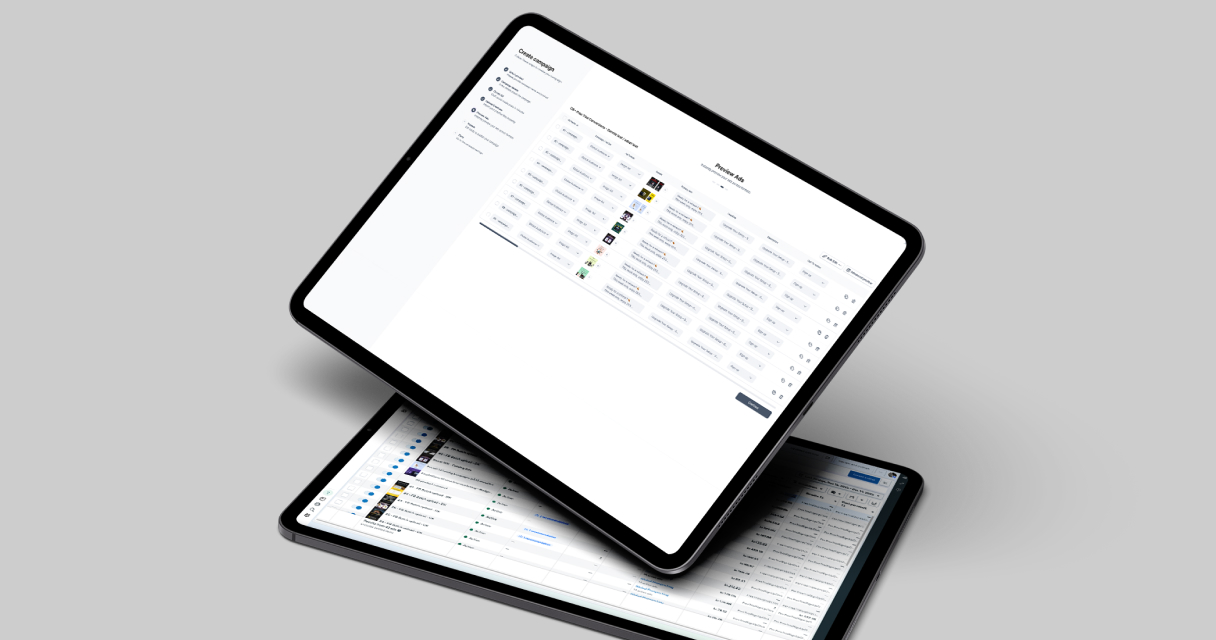
Many teams struggle with bottlenecks such as manual ad creation, inconsistent messaging, and slow iteration cycles. These challenges often limit growth, even when performance indicators suggest that scaling would be profitable.
In this guide, we explore how to scale paid ads efficiently using structured workflows, bulk operations, and creative standardization. We also explain how Campaign Builder supports scalable ad production without increasing operational complexity.
Why Scaling Paid Ads Is More Than Increasing Volume
Scaling paid ads is often misunderstood as simply creating more ads or increasing spend. In reality, effective scaling requires operational readiness, creative consistency, and the ability to iterate quickly based on performance data.
When ad volume increases without proper structure, teams face higher error rates, inconsistent branding, and slower response times. This can lead to performance decline rather than growth.
Sustainable scaling focuses on repeatable processes. It ensures that every new ad follows proven standards while still allowing room for testing and optimization.
Building a Scalable Creative Foundation
The foundation of scalable paid ads is a strong creative framework. Instead of creating each ad from scratch, teams should work with reusable templates and modular components.
This includes standardized layouts, consistent typography, predefined image formats, and adaptable copy structures. With a clear creative system in place, new ads can be produced faster without compromising quality.
Campaign Builder supports this approach by enabling teams to reuse creative structures across multiple ads. This ensures that branding remains consistent even as volume increases.
Using Bulk Workflows to Remove Bottlenecks
Manual ad creation is one of the biggest obstacles to scaling. Editing creatives one by one quickly becomes inefficient and increases the risk of mistakes.
Bulk workflows solve this problem by allowing teams to create or update multiple ads simultaneously. This includes changing copy, replacing images, or updating destination URLs across large ad sets.
By reducing repetitive tasks, teams can focus on strategy, testing, and analysis rather than manual execution. Campaign Builder is designed to support these bulk workflows, making it easier to scale output without scaling workload.
Maintaining Quality and Consistency at Scale
One of the biggest risks of scaling is declining quality. As volume increases, inconsistencies in copy, visuals, or messaging can appear if processes are not clearly defined.
To maintain quality, teams should establish clear guidelines for creative assets, naming conventions, and copy tone. These standards should be documented and followed across all ads.
Regular reviews are also essential. Even with automation and bulk tools, human oversight ensures that ads remain accurate, relevant, and aligned with brand values.
Structuring Testing and Iteration for Growth
Scaling without testing often leads to wasted effort. A scalable paid ads strategy includes continuous experimentation with creatives, messaging, and formats.
Instead of testing isolated ads, teams should test patterns. For example, comparing different headline structures, value propositions, or visual styles across multiple ads at once.
Campaign Builder makes this approach practical by allowing bulk duplication and modification of creatives. This enables teams to test variations efficiently and identify winning patterns faster.
Coordinating Teams and Collaboration
As paid ads scale, collaboration becomes more complex. Designers, marketers, and stakeholders must work together without slowing down production.
Clear workflows, shared templates, and standardized processes help reduce friction. Everyone involved should understand their role in the production pipeline.
Campaign Builder supports collaborative workflows by centralizing creative production, making it easier for teams to align and move quickly without duplicated work.
Measuring What Matters When Scaling
Performance measurement becomes more important as volume increases. Instead of focusing only on individual ad performance, teams should analyze trends across groups of ads.
Look for patterns in creative formats, messaging themes, or product categories that consistently perform well. These insights should guide future scaling decisions.
By combining performance data with structured creative workflows, teams can scale with confidence and avoid guesswork.
Conclusion
Scaling paid ads is not just about doing more. It’s about building systems that allow growth without sacrificing quality or efficiency.
By focusing on reusable creative foundations, bulk workflows, consistent standards, and structured testing, teams can scale paid ads sustainably. Campaign Builder supports this approach by removing operational bottlenecks and enabling efficient creative management at scale.

.jpg)