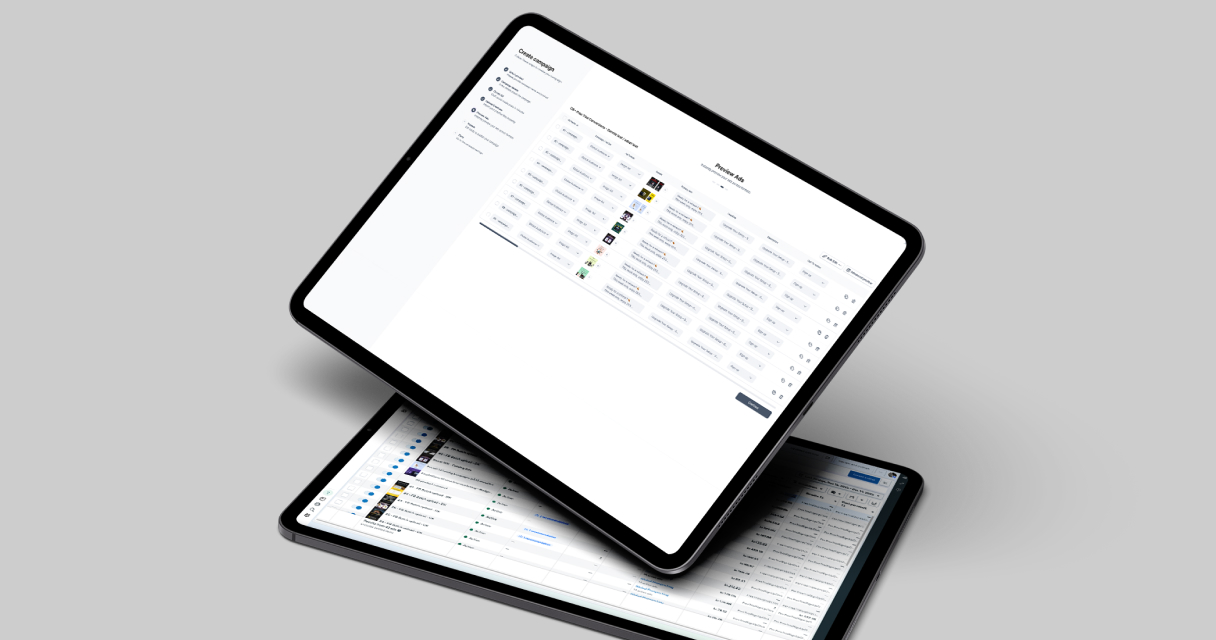
Campaign Builder offers robust scheduling tools for managing Facebook and Instagram posts, allowing teams to plan content in advance, maintain consistency, and streamline workflows.
This article covers best practices for social media scheduling, highlighting techniques to optimize posting times, maintain content consistency, and improve overall social media performance.
Why Scheduling Matters
Without a structured posting plan, social media marketing can become reactive and inconsistent. Scheduling helps brands maintain a predictable presence and reach audiences when they are most active.
Key benefits of scheduling include:
- Maintaining a consistent posting frequency
- Reaching audiences during peak engagement periods
- Reducing the time spent managing day-to-day posts
- Providing a framework for strategic content planning
Campaign Builder allows marketers to manage scheduling for multiple posts and campaigns in one centralized interface, saving time and reducing errors.
Planning a Social Media Calendar
Effective scheduling begins with a clear content calendar. A calendar outlines what content will be published, when, and on which platform.
Best practices include:
- Mapping out content types, themes, and objectives in advance
- Aligning posts with marketing campaigns, product launches, or events
- Ensuring a mix of promotional, educational, and engaging content
- Reviewing performance data to inform future scheduling
Campaign Builder supports calendar-based planning, making it easier to visualize posting schedules and maintain consistency.
Optimizing Posting Times
Timing is critical for maximizing reach and engagement. Audiences are active at different times depending on their demographics and platform behavior.
Best practices include:
- Analyzing historical engagement data to identify peak activity periods
- Scheduling posts to coincide with audience availability
- Testing different times to refine scheduling strategies
- Maintaining regular posting intervals to create audience expectations
Campaign Builder allows teams to schedule posts in advance, ensuring content goes live at optimal times without manual intervention.
Maintaining Consistency Across Platforms
Consistency strengthens brand recognition and improves audience trust. Scheduling tools help maintain uniformity in post frequency, tone, and messaging across multiple social platforms.
Tips for maintaining consistency include:
- Using a single tool to schedule posts across all relevant platforms
- Standardizing messaging and creative formats where appropriate
- Coordinating cross-platform campaigns to reinforce key messages
- Monitoring scheduled posts to ensure alignment with ongoing campaigns
Campaign Builder provides a centralized interface to schedule and manage posts, helping teams maintain a cohesive brand presence.
Using Analytics to Refine Scheduling
Scheduling should not be static. Monitoring post performance provides insights into the best times to post, types of content that perform well, and audience engagement patterns.
Best practices include:
- Tracking engagement metrics such as likes, comments, shares, and click-throughs
- Adjusting posting times based on audience behavior
- Identifying content formats that drive the most engagement
- Incorporating insights into future scheduling strategies
Campaign Builder’s scheduling combined with performance tracking enables teams to continuously optimize posting strategies for maximum results.
Maintaining Workflow Efficiency
Scheduling tools also improve workflow efficiency by reducing the manual effort required to post content daily. Teams can plan, review, and schedule content in advance, freeing time for strategy and creative development.
Tips for efficiency include:
- Batch preparing content for a week or month in advance
- Collaborating internally to approve posts before scheduling
- Automating posting wherever possible to reduce repetitive tasks
- Using templates to standardize post formats and save time
Campaign Builder enables these practices, allowing teams to manage social media campaigns with less manual effort and higher consistency.
Conclusion
Social media scheduling is essential for maximizing engagement, maintaining consistency, and improving efficiency. A structured approach to planning, timing, and reviewing content ensures that posts reach audiences effectively and contribute to overall marketing goals.
Campaign Builder’s scheduling tools provide marketers with the ability to plan, automate, and optimize social media posts. By following best practices, teams can maintain a strong social presence, save time, and improve campaign performance across all channels.
.jpg)